
The Hidden Gems of Goa
While Goa is known for its wide-spread sandy beaches, party-hubs, and food, there is much to this coastal city then catches the eye. Those who know Goa well will show another side of the city, which not many people know. So we spoke to few goa insiders who shared their secret places that are unheard of and a must-visit.
Cumbarjua Canal
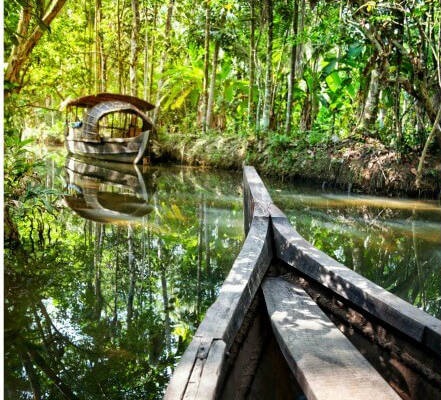
If you wish to add a different kind of adventure to your Goa travel, list Cumbarjua Canal in it. The canal is located near the Zuari River and is known for crocodile sighting in their natural habitat. The narrow creek is one of the unknown places in Goa as not many people venture into the muddy waters and thick mangrove for a sight of sunbathing crocodiles. The crocodiles here are a unique species that have adapted to the salt water habitat in Goa. On a typical trip, you can expect a good number of crocodiles in addition to a variety birds like the kingfishers, shanks, storks, kites, etc.
Netravali – Bubbling Lake
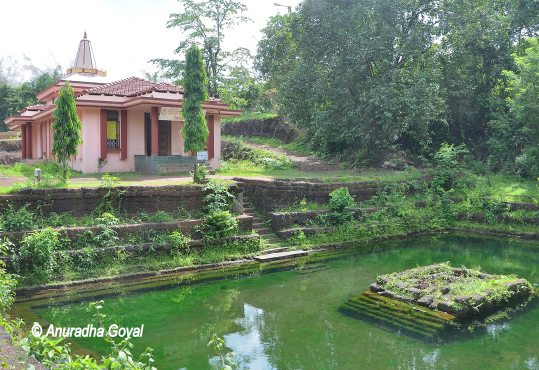
The bubbling lake, as the name suggests, is a geographical phenomenon that makes the water in the lake bubble in a rhythmic manner. This little pond located in Sanguem Taluka is must-see place amongst the hidden places in Goa. It is famous for it is mysterious activity – If you clap your hands or plod on the steps, there is an immediate reaction from the water. The reason behind the bubble is the accumulation of methane gas from the vegetation underwater which escapes at the subtlest of movements. In fact, you can get yourself a natural fish pedicure by dipping in feet for long enough.
Chorla Ghats
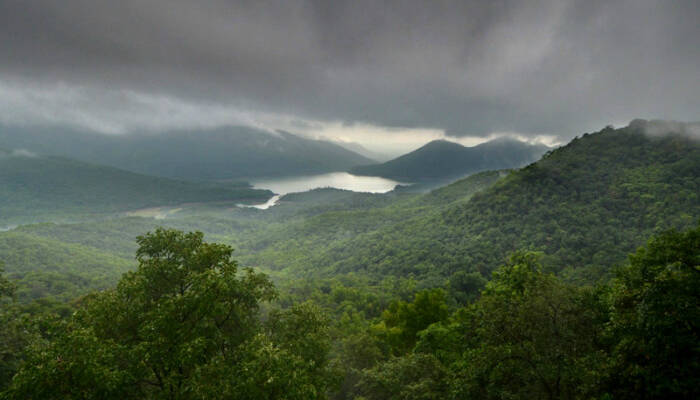
If you think that Goa is only about beaches and sand the ocean, wait till you visit these majestic Chorla Ghats. Located on the north-eastern side of Goa-Karnataka-Maharashtra border, Chorla is a stunning tropical forest. The Ghats have a stunning view, and if visiting during the monsoon, the view is spectacular. The Nature Conservation Facility has been established at Chorla Ghats to facilitate research and long-term monitoring of the Western Ghats of the Sahyadris region and their biodiversity. It is meant to provide a platform for ecologists and wildlife biologists.
Harvalem Falls
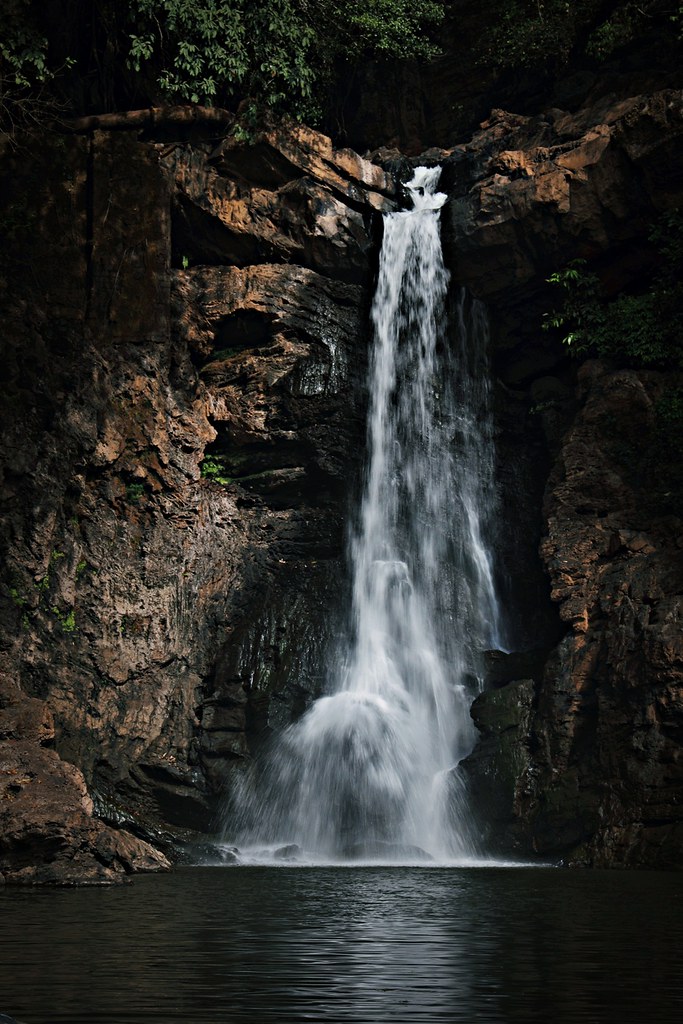
People have heard a lot about the Dudhsagar falls, but no one outside of Goa is aware of this 50 meters high waterfall. Located at a short distance from the regional town of Bicholim, along the road from Mayem Lake, is the village of Sanquelim. Not many people know about this isolated little waterfall where you can spend some quiet and peaceful time amidst the sight of the greens and the sound of water.
Arvalem Caves
Located in the Bicholim town of North Goa, the Arvalem Caves are ancient rock-cut caves that give us a chance to step into the mythological tales. The origin of these caves dates back to the 6th century. Popularly known as the Pandava Caves, these caves have derived their name from the five Pandavas of the epic Mahabharata. As the legend has it, the Pandavas sought refuge in these caves during their exile. The presence of five compartments and Shivlingas in the cave complex provides relevance of this fact. However, the caves have also been claimed to be of Buddhist origin due to the presence of a colossal statue of Buddha near the place. The architectural style of the caves also speaks loud of the Buddhist possession.
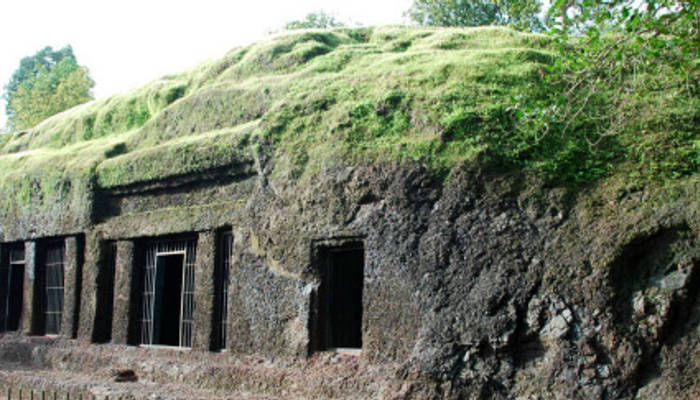
Rivona
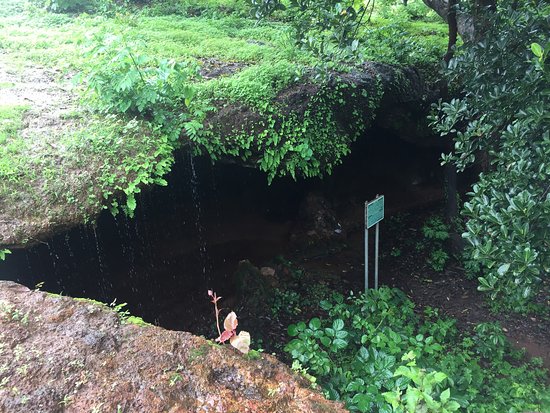
With Christianity as the predominant religion of the state, did you know that Goa is also known for its rich Buddhist history! The Rivona Caves are a living example of that, and these caves are said to be the seat of a Buddhist Monk. The cave has a stone sculpture of Buddha in ‘Bhumisparsha’ posture, carved out of a laterite rock, belonging to the Mahayana Sect. The caves were said to have been occupied by Buddhist monks, who settled here sometime in the 6th or 7th century AD.
Fort Tiracol
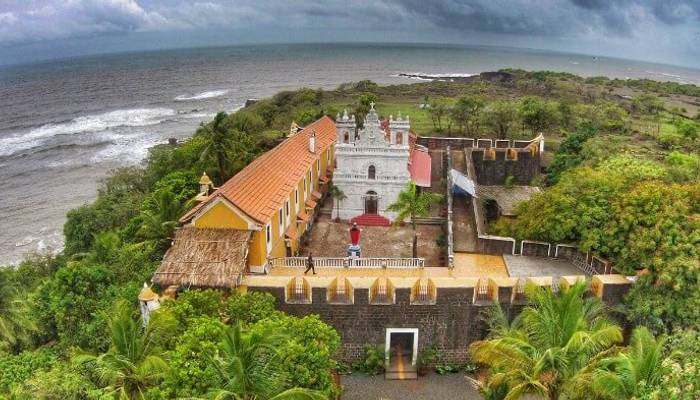
Also known as Terekhol Fort, this fort sits on the northern tip of Goa at the mouth of the Tiracol River. It can be reached by a ferry from Querim, 42 km North of Panaji. The fort was built in the 17th century by Maharaja Khem Sawant Bhonsle, the Raja of Sawantwadi. The site chosen was a hillock on the northern (right) bank of the river, which gave it a commanding view of the Arabian Sea. It is now converted into one of Goa’s well-maintained heritage assets and represents Goa’s cultural wealth.
Museum of Christian Art – Convent of Santa Monica
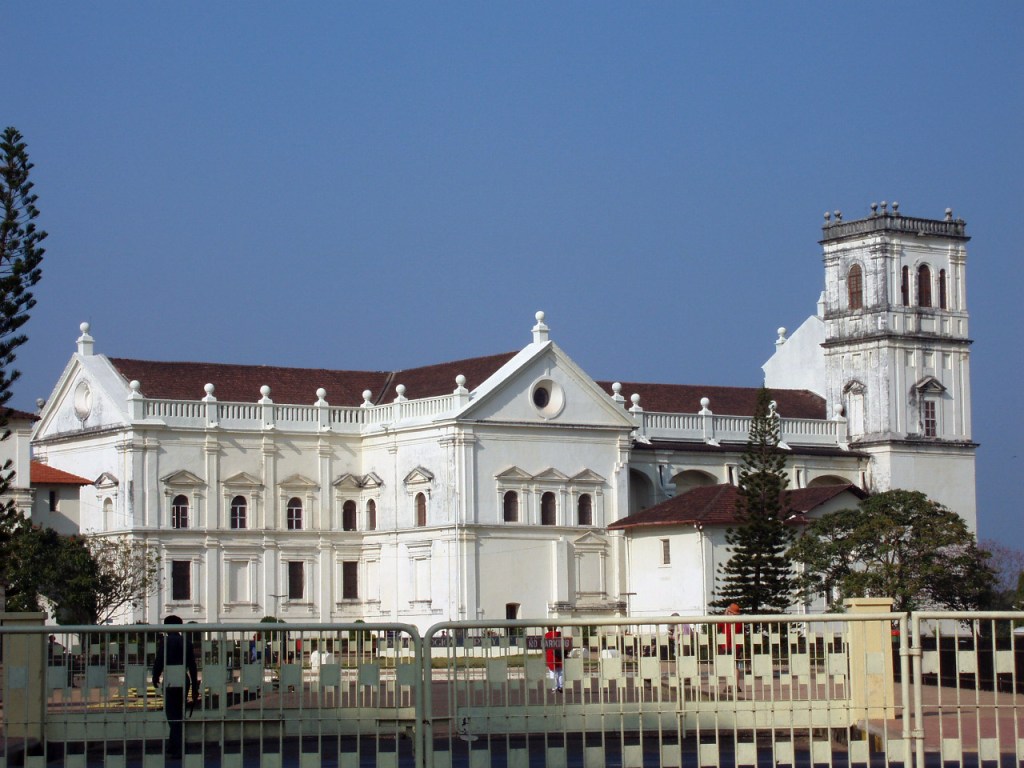
The Museum is considered to be one of its kind in Asia and located in the Convent of Santa Monica, Old Goa, in the vicinity of World Heritage Monuments. The Museum is a project of the Archdiocese and has enriched the cultural heritage and history of Goa. Every object displayed in the museum reflects the richness of the Indo-Portuguese Christian Art and the immense wealth of the Churches of Goa.
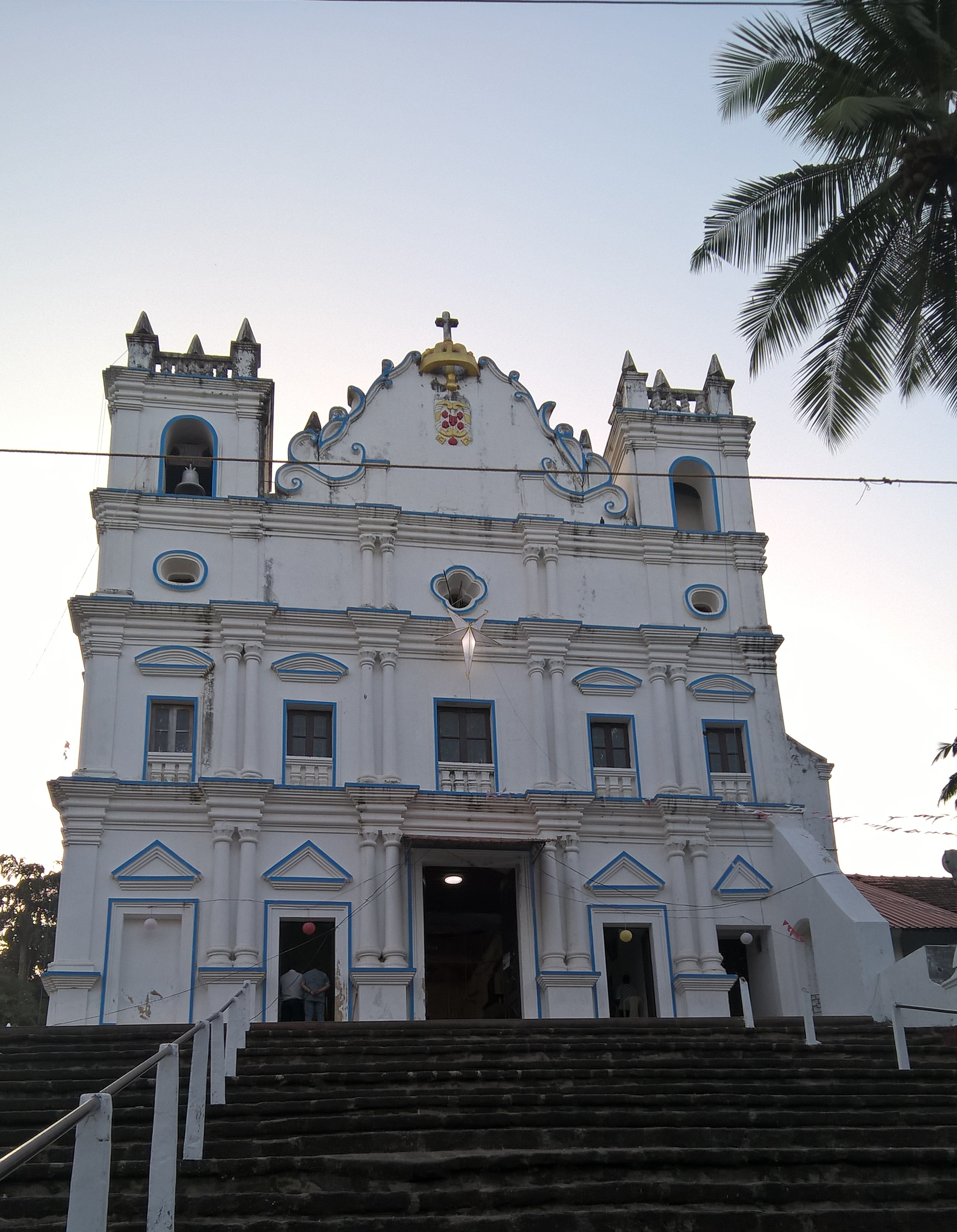
Three Kings Church
Three Church, officially Our Lady of Remedios Chapel, is located in a plush village of Goa called Chandor situated atop a hill in Cuelim, 15 km east of Margao. The church stands atop a hillock opening to a divine view of Majorda beach. On the foot of the hill is the vast expanse of fields, salt pans, and islands — painting a real Goa. Today, it is also famous for being one of the most haunted places in Goa. But regardless of the stories being circulated, it is one the most visited place by the Goans and few travelers who know about it.
 A Mystic Writer's Blog