

I have always been curious and keen to find answers to a very stringent and unnerving logic behind “intolerance”. Honestly speaking, I personally never understood this subject in the first place. Meaning, why is there so much intolerance among individuals for very minor and petty issues! Whereas the intolerance should exist against much greater and harmful issues to entire human race.
We are different in way of birth, gender, living environment, value systems, etc., that makes us who we are. Just because there is difference in the way we think, speak, appear
does not mean one is less than the other. It is always good to put your point forward and have a healthy argument. In noway it should lead to verbal or physical violence, hatred or despising a community/religion all together just because one individual thinks the opposite.

Being born in a democratic and secular society, we all have the right to express ourselves. And we all should respect each individual’s opinion, only until those expression start becoming that of extreme violence and hatred. When we make ourselves aware of basics of humanism while practicing and study humanistic philosophy, we start to clear the clouded air in our minds that blocks rational thinking. While study various books on Buddhist Humanism, I came across a wonderful quote from an avid Buddhist philosopher, educator and author – Daisaku Ikeda. He writes – “The Lotus Sutra is a teaching that sees the infinitely respect worthy Buddha nature existing within each person’s life. Based on this standard of value, any other system of thought that teaches the dignity of life deserves our respect as well. On the other hand, we can never accept a philosophy that denies the dignity of life. This is the true spirit of tolerance and compassion.” — Living Buddhism.
As I mentioned earlier, should we show tolerance towards intolerance? Clearly, the answer is No. The things which are inhumane and harmful to anyone should never be tolerated.
There are limits then to tolerance. But how do we understand that thin line of difference?Mr. Ikeda has beautifully explained that the line that should not be crossed is that of ‘disrespect for the dignity of all life’. So long as the basic premise is – that all life is respect-worthy – is universally agreed upon, we can and should tolerate a wide variety of thinking and behavior—a kind of tolerance-with-limits.
I believe tolerance cannot be put in better words than the above. The current on-going global crisis is a harsh test given to mankind. It is testing humans of tolerance levels, coexistence, and cooperation. This is the moment to transform oneself and become better humans. And also, at the same time, accept the fact that we cannot ignore each other, take each other for granted, use each for self benefit, or even go to level of killing each other. This is the time we get together to pass this test of time that humans are meant to coexist.
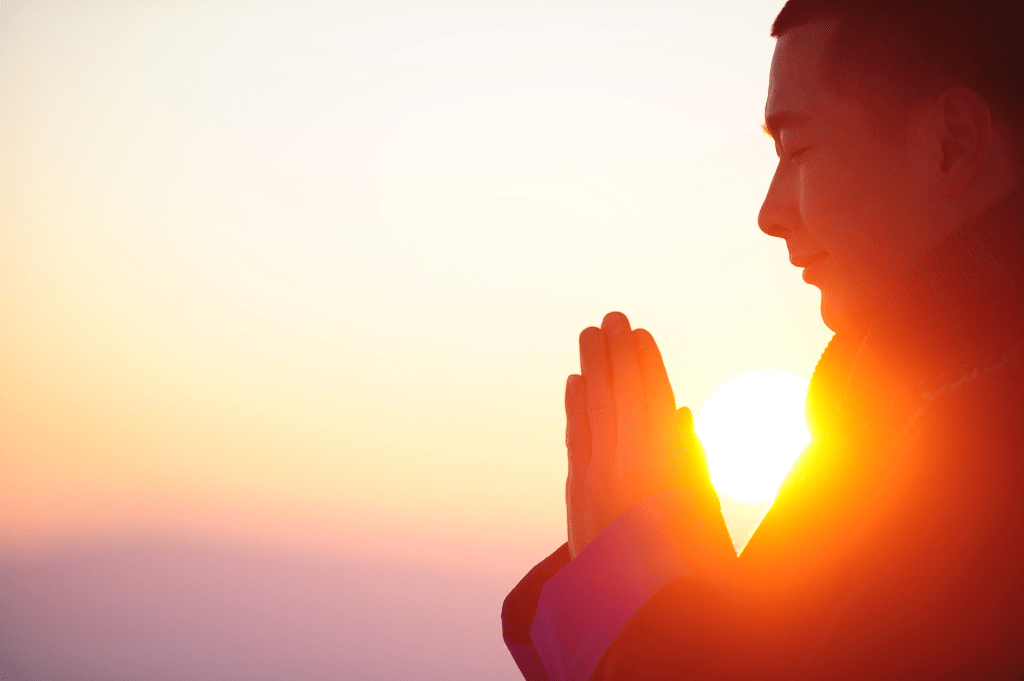
Let me close with another piece from my study. In his September 1993 Harvard University lecture, Mr. Ikeda spoke of tolerance, offering the example of Shakyamuni Buddha, who was considered a “master of words”: Why was Shakyamuni able to employ language with such freedom and to such effect? What made him such a peerless master of dialogue? I believe that his fluency was due to the expansiveness of his enlightened state, utterly free of all dogma, prejudice and attachment. The following quote is illustrative: “I perceived a single, invisible arrow piercing the hearts of the people.” The “arrow” symbolizes a prejudicial mindset, an unreasoning emphasis on individual differences. India at that time was going through transition and upheaval, and the horrors of conflict and war were an ever-present reality. To Shakyamuni’s penetrating gaze, it was clear that the underlying cause of
the conflict was attachment to distinctions, to ethnic, national and other differences. (My Dear Friends in America, third edition, p. 340).
Hence, true Tolerance, requires immense exertion on our part to overcome our own prejudicial thinking, our own attachment to differences. Such effort is the basis for establishing a society rooted in peace and human rights.
(Disclaimer – The opinion expressed are mine, mostly extracted from experiences, study of philosophy and research. They are neutral and in no way pointing to any individual or religion or a way of thinking. This post is meant to ignite positive thinking and allowing reader to imbibe the concept much deeply and clearly, and with an open mind)
 A Mystic Writer's Blog