
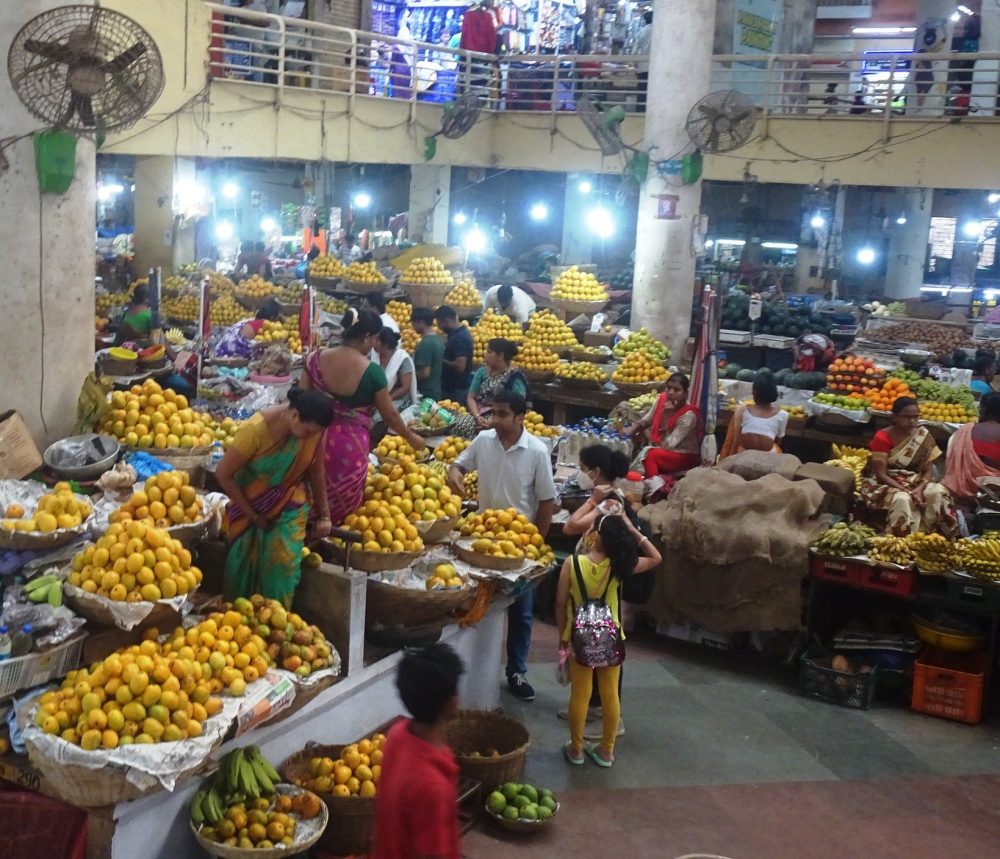
– The king of fruits in the sunshine state of Goa –
It’s the mango season. Amche Goa (My Goa), you can spot mangoes everywhere—from bustling street vendors to backyard farms, all celebrating the arrival of the Toranche season as we lovingly call the mango season in Goa. One can see mango trees loaded with ‘amboli’ (raw mangos) everywhere. Goans love mangos in every form and even add them in the local Goan cuisines. Best way to enjoy this juicy, delicious fruit is in all its natural glory. Nothing beats the flavour of an Alfonso or Mancurad of Goa.
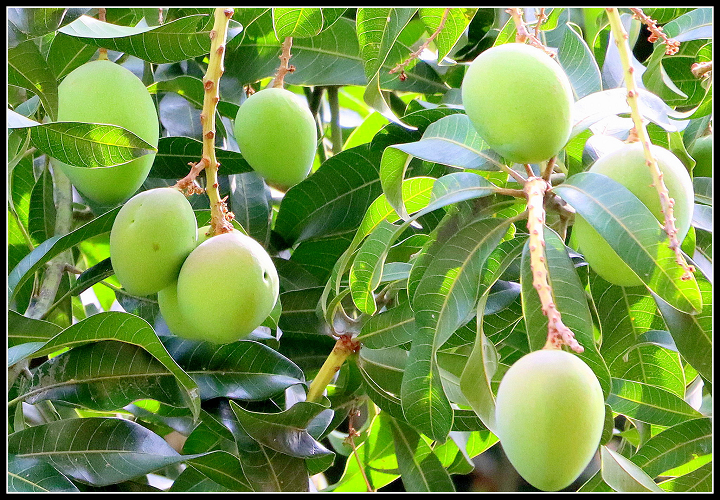
Mango Harvest in Goa
Salcette, Sanguem and Canacona are the top-three mango cultivating talukas(areas) followed by Bardez and Tiswadi. Salcete is known for its fertile orchards and wide mango variety, Sanguem is a major contributor to Goa’s mango output while Canacona is home to traditional, organic mango growers. Bardez has the advantage of early mango harvests, while Tiswadi offers rare and heritage mango types. These regions provide ideal soil and climate for cultivating high-quality mangoes.
The Alphonso and Badami varieties originate from Siolim in Goa. Mangoes tend to ripen naturally in the summer heat of April and May. First to come are the Khalmi, Pyari, and Kayri. These are the raw mangoes variety available for about Rs. 500-600 per dozen. The other variety is the Badami which is available at Rs. 300 per dozen. The most expensive mango, however, is the Mancurad, priced at ₹1500–₹2000 per dozen, followed by Alphonso (hapus) ₹800–₹1,300 per dozen. Finally, Sindhuri is available at ₹200–₹220 per kg, and the cheapest is the Totapuri at ₹180 per kilogram.
Because our love for mango is so deep-rooted, let’s go back a little and take a glimpse into the past of the arrival of mangoes in Goa.
Goa and Mangoes: A glimpse into the past
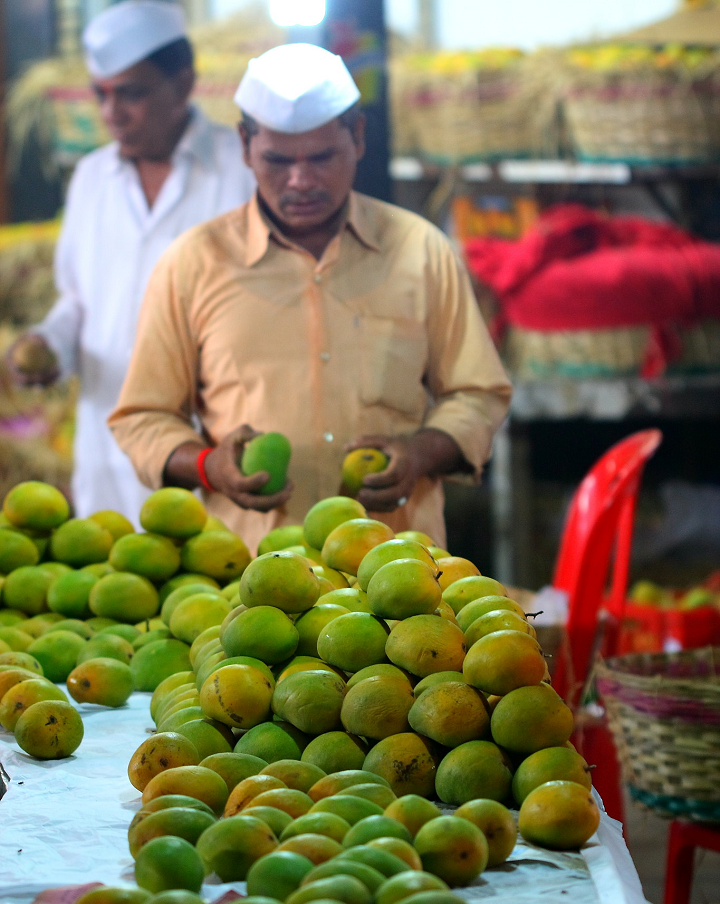
The history of mangoes in India dates back over 4,000 years, with references found in ancient texts like the Vedas and Upanishads. In many Indian cultures, mangoes symbolize prosperity, love, and even divine blessings. But while India as a whole embraced the mango early on, Goa’s deep-rooted relationship with the fruit began later—thanks to colonial influence.
When Vasco da Gama discovered the sea route to India in 1498, it opened the gates to a wave of Portuguese explorers, traders, and missionaries. By 1510, under the leadership of Afonso de Albuquerque, the Portuguese had conquered Goa, transforming it into a strategic and cultural hub of their eastern empire.
As the Portuguese settled, they introduced several new crops and culinary practices to the region—including cashews, pineapples, and mango saplings. Mangoes were in great demand across Europe for their exotic sweetness and vibrant color, and Goa offered ideal agro-climatic conditions for cultivation:
• Laterite-rich soil
• Warm, humid tropical weather
• Consistent monsoon rainfall
The Portuguese began systematic grafting and hybridization techniques, improving native mango strains and developing more robust, flavorful varieties. This is how Goa came to host some of the most unique and heritage mangoes in India—like the beloved Mancurad (originally called Malcorado, meaning “poorly colored” in Portuguese).
Over the centuries, mangoes integrated into Goan culture and cuisine, appearing in local dishes, religious rituals, and summer celebrations. From raw mango curries to sun-dried pickles, mangoes became more than just a seasonal fruit—they became an emotional and cultural staple.
Today, the mango’s journey from Portuguese cargo to Goan backyard trees stands as a testament to how colonization, climate, and culinary curiosity shaped one of Goa’s sweetest traditions.
Variety of Mangoes available in Goa
The variety of mangoes grown in the sunshine state is over 100. It is called the “King of fruits” for a reason. One can experience different tastes, textures, sizes and names that many haven’t even heard of, let alone the taste.
The most famous and widely available types of mangoes are the following:
Mankurad Mango
Also known as Goa Mankur, Kurad, Malcorado, Corado etc., Mankurad is the most popular variety available throughout Goa. The connect goes long back into history. The Portuguese named it Malcorado, meaning ‘poor coloured’. As time passed, the locals started calling it the ‘Mankurad’.
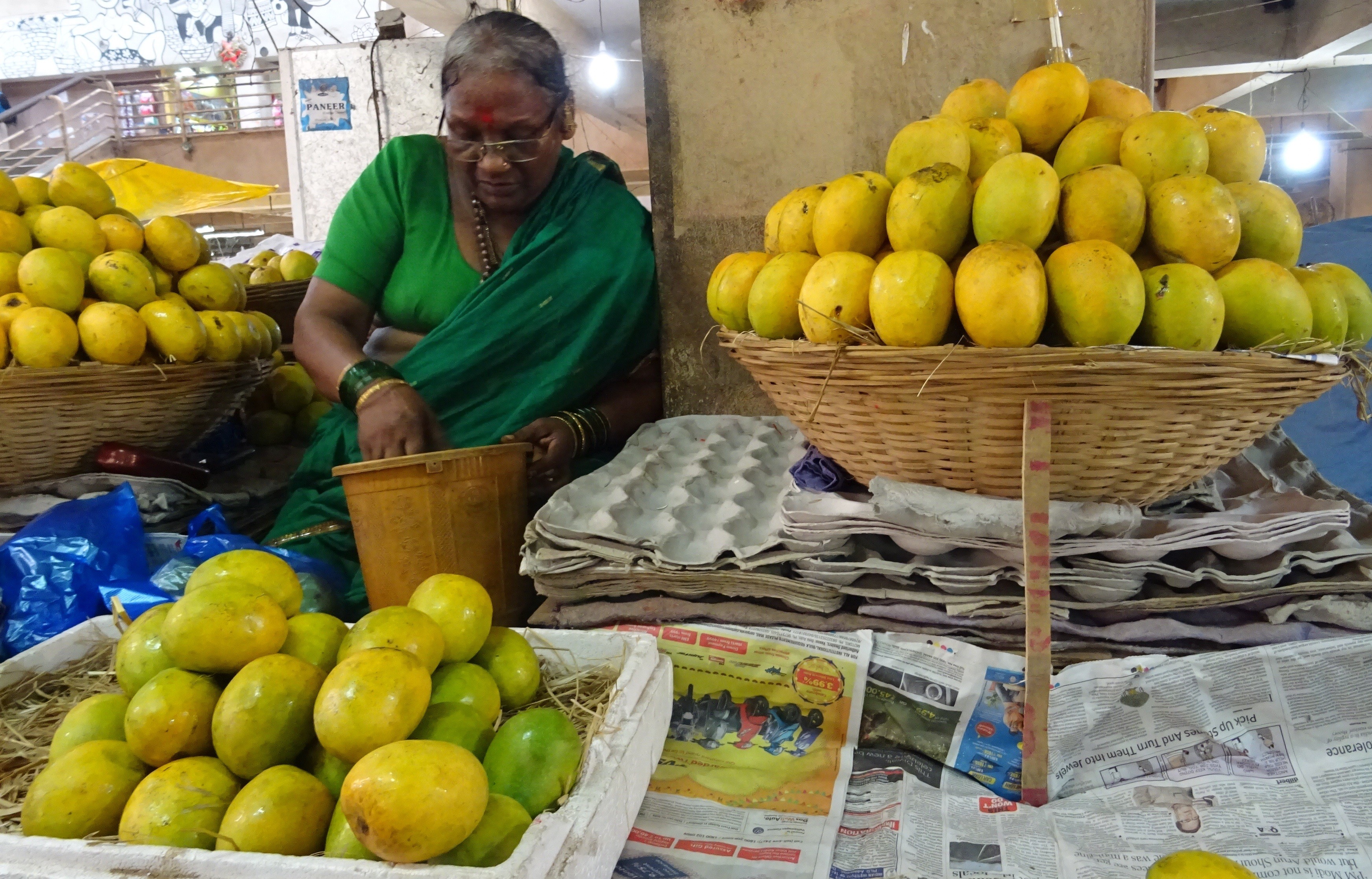
Malgesh
This version, also known as Malgesta, Malgessa, Malgueso and Malgess is popular in North Goa with wide variations in fruit colour, size and quality. The name means ‘difficult to digest’ in Portuguese. The two types recognised are Khand Malgesh – a thick-skinned inferior quality and Akno Malgesh – a superior quality.
Culas
This variety is famous throughout Goa. Many people like its peculiar flavour which is tangy and not too sweet. A lot of variation exists in this variety.
Afons
This variety of mango is also known as Goa Appus or Goa Alfonso. However, it is fast disappearing as the Ratnagiri Alfonso is preferred by many mango lovers. The Ratnagiri Alfonso is of better quality as far as the shelf life is concerned and is gaining popularity.
Hilario
The Hilario mango, also known as Mang Hilario, Mangilar, Mangilal etc., enjoys the same position as Mankurad and is hugely popular in North Goa. It fetches a reasonable price in the market as it tastes delicious. The tree that fruits Hilario is said to have originated in the garden of one Hilario Fernandes of Siolim in the Bardez taluka, henceforth the name. It is a variety that arrives late, with fruits maturing even up to July. Hence, it is a variety that arrives when no other good mango varieties are available.
Mussarat
Popularly cultivated in North Goa, Mussarat or Monserrate de Bardez is named after the Bardez taluka, where it originated. The immature fruits of this variety exhibit an intense red colour. This variety of mango is used to prepare jams, sweet pickles and processed products.
Fernandin
The Fernandin mango, also known as Fernandina, is very popular because of its taste. Best part about this variety is that doesn’t get spoiled because of moisture during rains or even fruit flies.
Xavier
This variety of mango is known for its sweetness and juicy flavour. It is planted throughout the state and is marketed both in North and South Goa. Both fibrous and non-fibrous forms exist.
Local Markets in Goa to buy the best mangoes
So, the question is; where do we find the tastiest mangoes in Goa? Here are our top picks for some of Goa’s best places to buy mangoes.
The Goan Farmers Market, Margao
The Goan Farmers Market organised in Margao in South Goa aims to promote the local Goan produce. If you want to buy some good quality mangoes, visit this market for fresh local right from the farm, homemade products and more. The Goan Farmers market is a great place to shop for mangoes grown by fellow Goans in their backyard.
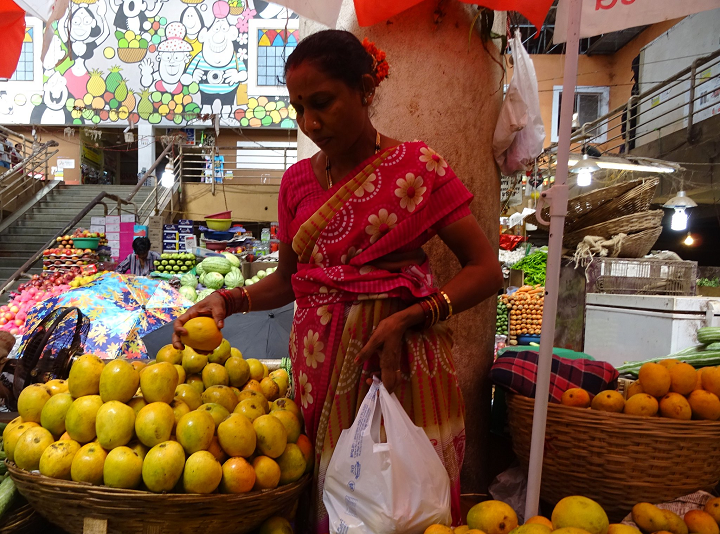
Panjim Market in Goa
The Panjim Market, run by the Panjim Municipality, is one of the largest local markets in Goa. So, if you’re all prepped to buy fresh mangoes from Goa, this is the place to be. The sweet-scented aroma of Goan mangoes fills the market. You could even get to try something you’ve never seen before. The friendly vendors will be more than happy to give you a sample. The massive mural of the Mario Miranda painting in Panjim Market adds to the galore of buying the best mangoes in Goa.
MMC New Market in Margao, Goa
The Margao New Market is one of Goa’s most recommended street markets. It is an excellent place to buy locally produced vegetables and fruits, especially mangoes. The market buzzes with loud vendors and the fragrance of the fresh vibrant fruits and veggies. Bargaining is the added perk when you visit the MMC market. But it is wise to be on the lookout for reasonable pricing and quality fruit if you are a tourist. The best option is to shop with a local friend.
JR Farm, South Goa
The farm produces various organic, fresh harvest in South Goa and supply to the state and customers on request. They will bring to your home the loveliest, tastiest, and pulpiest mangoes that are organically grown with lot of love on their farm.
The sweetness of this wonderous fruit is undeniably loved by all human. That’s how I would like to believe. One cannot go without cherishing the drool-some flavour of a mango. And Goa has some amazing variety to offer. So, when you are visiting the sunshine state, don’t forget to experience the king of fruits in raw or cooked form.
Tip: the title says ‘mango people’ – in India people call ordinary people – ‘aam aadmi’ in Hindi. ‘Aam’ here means ordinary and also Mango.
Best time to visit Goa is from October till February. It is very pleasant and worth basking in the sun. If you are in Goa in February, enjoy the Goa Carnival as it happens.
 A Mystic Writer's Blog