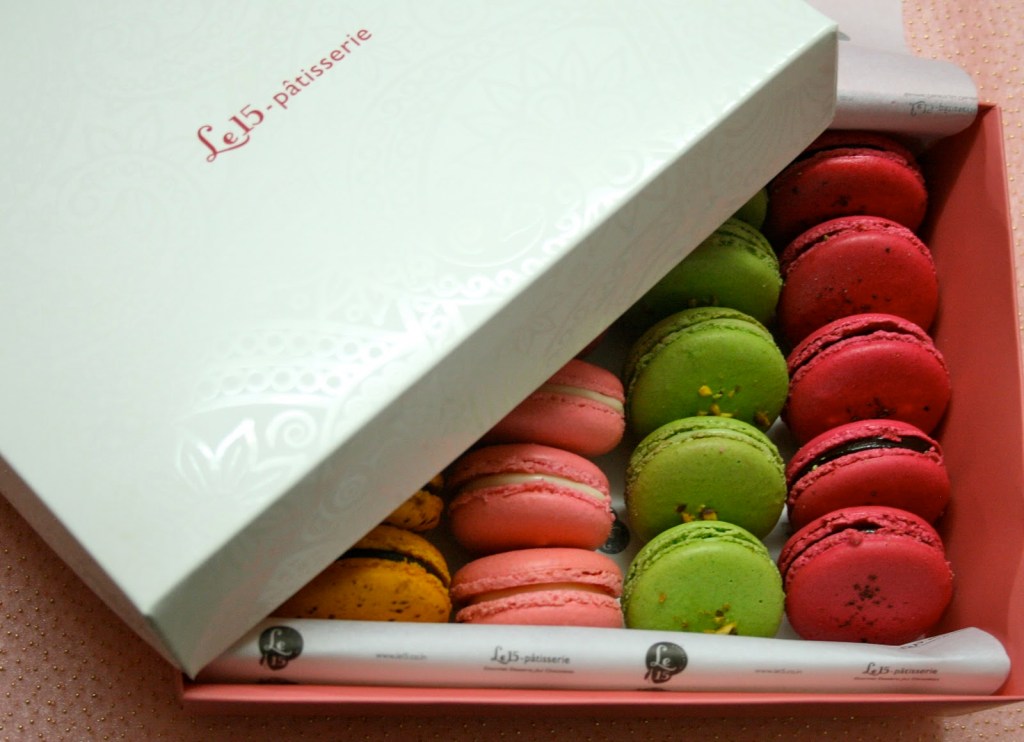
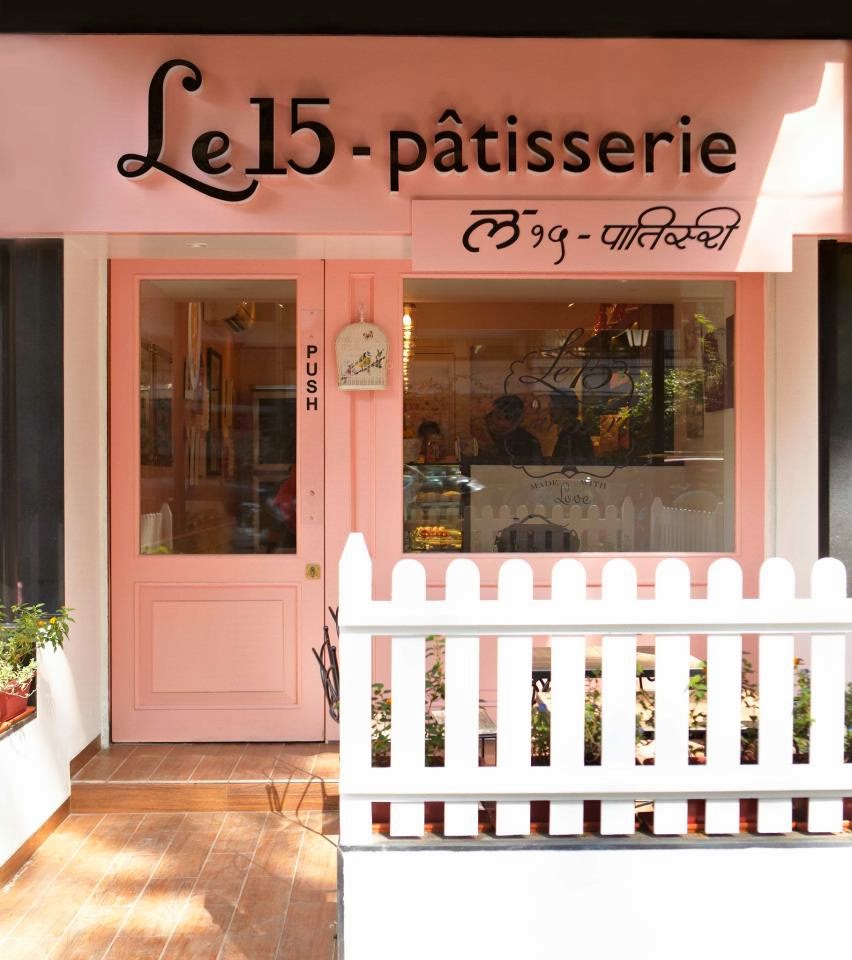
The proud owner of Le15 Patisserie and a renowned pastry chef Pooja Dhingra launched her 3rd book – Can’t believe Its Eggless – here at Goa Marriot on July 20th 2019. The Macaron Queen is known for her scrumptious baked products especially the macarons. Her earlier books authored by her are named – ‘The Big Book of Treats’ and ‘The Wholesome Kitchen’.
Pooja’s book ‘Can’t Believe its Eggless’ is a heartfelt dedication to Oprah Winfrey. What inspired her to author this book was the no-eggs days that every Indian home has which are Tuesdays and Thursdays. So while growing up, she tried adapting recipes accordingly because she wanted to bake on those days. When she realized that there were plenty of people who are either don’t consume eggs for various reasons, she saw an opportunity here to author a book. The book is about those things, and has over 100 recipes which is super easy to make.
The Books is now available at all book stores near you. So if you are a non-eggy person, go ahead and get this book. You will be delighted.
About Chef Pooja Dhingra
Pooja was fond of baking since childhood. She was inspired by her mother’s cooking and use to experiment in the kitchen with her. So, when she enrolled at a law school in Mumbai she got her calling to take up a hospitality and management course at the César Ritz School in Le Bouveret, Switzerland. Post her graduation from César Ritz school, she begun training at Le Cordon Bleu in Paris. That’s where she learnt the art and experience making macaron for the very first time.
She has mastered the art of making the perfect macaron from the renowned Le Cordon Bleu culinary school in Paris. She mastered here culinary skills under the fine mentorship of Chef Deguignet.
After completing her course, Dhingra returned to Mumbai and opened her first patisserie in March 2010 with primary focus on creating Parisian styled culinary experiences in India. In 2016, Pooja expanded her enterprise, opening a new store – Le15 Café – in South Mumbai. And then there was no stopping her. Her signature desserts named after French women were featured across the media and became the talk of the town. The cafe’s menu includes simple, savoury food and main course dishes.
Le 15 now has 4 stores in Mumbai in Colaba, Bandra, Goregaon and Lower Parel. The flagship store is located in Colaba and is now developing a pan-India online delivery system. You can place orders from Le15 website from anywhere in India and the famous lip-smacking Le15 Patisserie’s macaroons will be delivered at your doorstep in 24 hours.
For the 32-year-old pastry-chef-turned entrepreneur, the mural serves as a reminder of her goal for 2020: climb Japan’s highest mountain. She fondly recalls when she was reading Shoe Dog: A Memoir by the Creator of Nike by Phil Knight, which talked about how, in Japanese culture, climbing Fuji is a spiritual experience and you do it to celebrate an achievement. This inspired her to communicate this sentiment with four members in her team, saying if they grow their business to ‘X’ number by 2020, they will climb Mt Fuji.
At such a young age, Pooja has accomplished a place for her in the field which is dominated by men. Amongst here accolades stands her selection by Forbes India for their ‘30 under 30’ achievers list for 2014 and the Forbes 30 under 30 Asia list. Today she is one of the most admired food influencers in India and recently reached 3 million followers on Instagram.
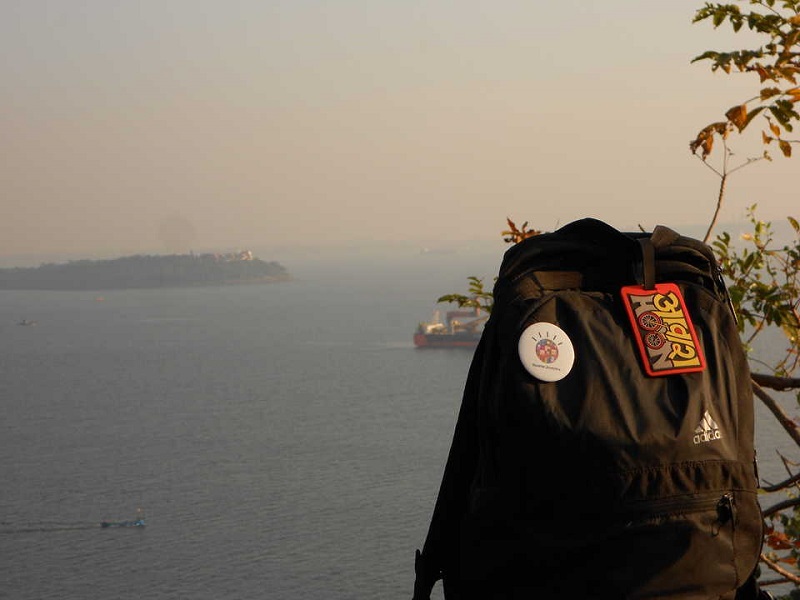
Backpacking is a common trend in the US and European countries. To understand the concept clearly – backpacking can be explained as a cheaper means of exploring a new place when combined with camping. Sometimes, travellers do opt for hostels and budget stays. Backpacking may include wilderness adventures, local travel and travel to nearby countries. It is now slowly transforming into an independent and low-cost international travel option for individuals or a small group of people.
With the backpacking trend slowly picking up, India has new sets of hostels springing up in various states of India.
A lot of backpackers visiting India end up spending almost all of their time in the traveller hubs of Goa, Hampi, Manali and Rishikesh. Stops, Zostel, Jugaad, Moustache, Madpackers and Jugaadus, are some of the hostels for backpackers and solo travellers that have gained popularity and have opened doors to backpackers in the past two years.
This article focuses on backpacking in Goa, what the state offers the new-age backpackers and why this little coastal paradise is gaining popularity amongst the backpackers from around the world.
Backpacking in Goa
Goa receives a considerable number of foreign tourists, mainly from Europe. Most of them come as backpackers to explore Goa not only for its beaches but also for its colonial heritage. The hostels and shacks in Goa that provide accommodation to backpackers and solo travellers have become an inter-cultural exchange platform where foreign travellers meet the Indians, sharing knowledge and experiences with each other.
Exploring Goa as a Backpacker
The main purpose of a backpacker is to reach the right beach to enjoy and relax. Palolem, Patnem, Morjim, Mandrem and Arambol are some of the most beautiful beaches in South Goa. You can arrange fishing, dolphin watching and kayaking from these beaches. There is a wide range of accommodation options like the beach huts at Roundcube Patnem and Palolem. Another beach worth exploring is Arambol in North Goa where you enjoy the nightly yoga and tai-chi sessions on the beach. The Green Garden Restaurant in Arambol is super friendly and a great place to meet people.
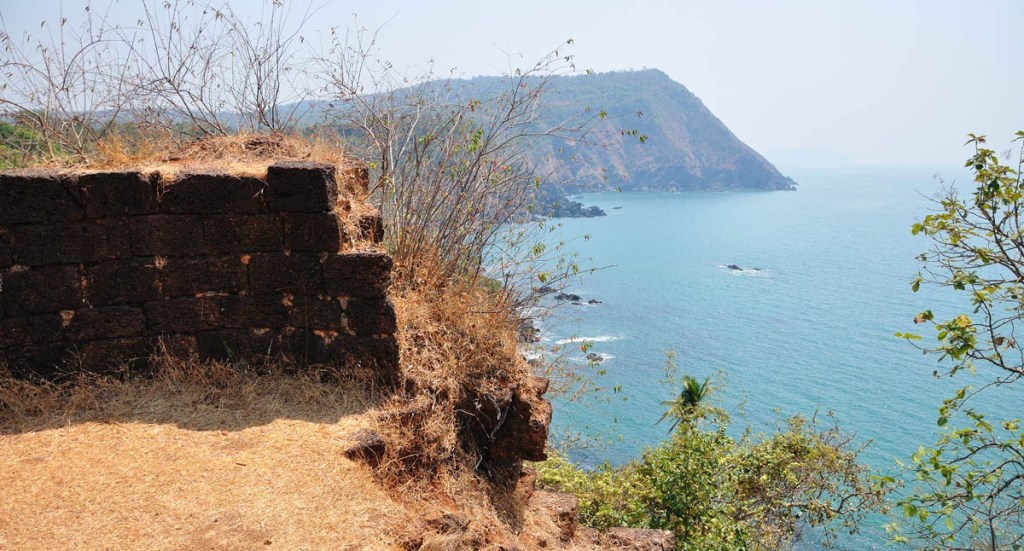
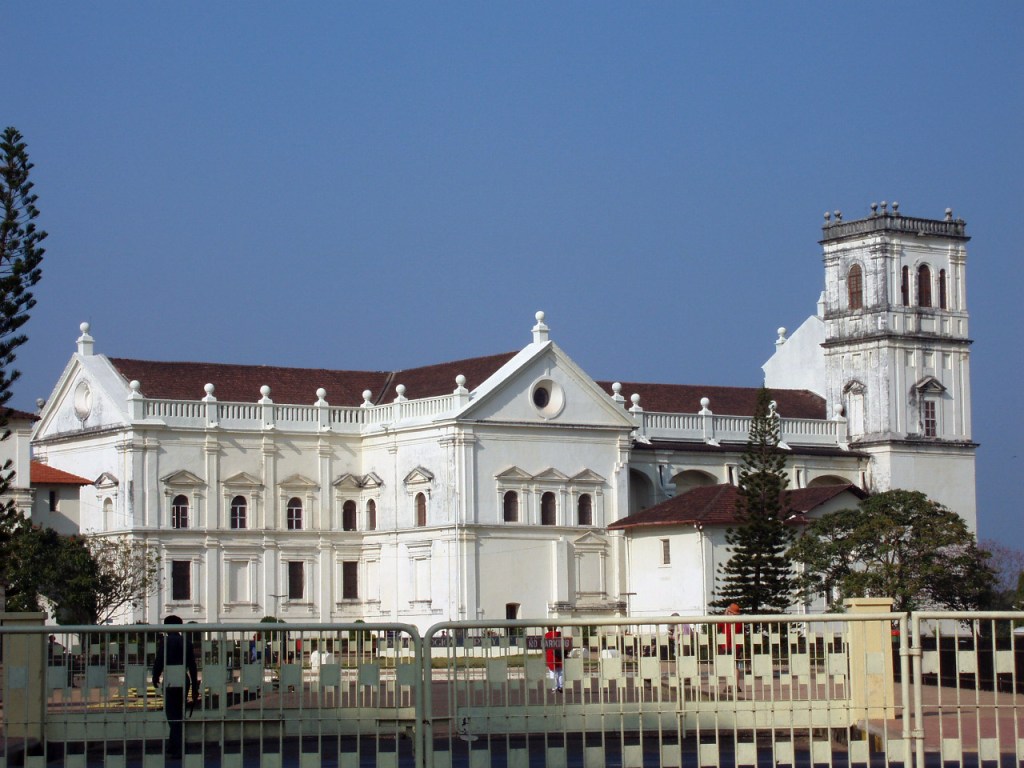
Another way to explore Goa apart from hiring a motorbike is Royal Enfield. With the per day rent of approximately INR 300, you can set out to explore Goa in style. Travelling by road is an advantage because the country side and villages of Goa are a vision. You can feast your eyes to the lush green paddy fields, wandering cows, whitewashed Portuguese churches and colourful Hindu temples, bustling marketplaces, chilled out farms, picturesque villages, crumbling colonial villas and forts. Goa was under Portuguese rule for over 400 years, and the legacy of the Portuguese era is still prevalent in the areas of Old Goa, which was once the capital of Goa under their rule. Old Goa has many churches and ancient citadels that one can visit, as it gives a peep into the past. It has a colourful history, reminiscent of which are seen in forts of Aguada, Chapora, Cabo de Rama, and Regis Magos Fort which is now a converted luxury resort.
Goa is also a popular destination for yoga practitioners. Yoga is everywhere in Goa, with many yoga schools and centres that cater to all ages – from beginners to casual learners, to more intensive retreats and teacher training courses.
Goa offers excellent options for shopaholics as well, starting from designer malls to hippie flea markets. If you have the art of bargaining, this is your place. You can take home many souvenirs to hippie chic clothing and jewellery. One of the most prominent and famous is the Anjuna’s hippie Flea Market which is held every Wednesday by the beach. The Arpora and Vagator, Saturday night markets, are another experience all together, completely buzzing with live music and food stalls. For more local and authentic stuff, you can pay a visit to the Mapusa’s local market on Fridays.
Goa is the hub for nightlife and parties. And your trip to Goa would be incomplete without experiencing the psychedelic trance. They are one of the legendary parties where you can dance till sunrise on the beaches or in the jungles of Goa.
Hostels for Backpackers in Goa
Roadhouse Hostel: located in Anjuna, Roadhouse is famous for its hippie culture, proximity to best beaches, cafes and flea market. The hostel offers mixed dorms and gender-based dorms with choice of air-conditioned and non-air conditioned dorms. Each dorm has a private bathroom, a bunk bed and lockers. The hostel also has free Wi-Fi facility, on order breakfast, facility to cook, TV, games, and travel services and tips. The best part of the hostel is its location which is walking distance from Anjuna Beach and famous Cafes. One can also avail transport services, like rent-a-bike, the best way to explore the streets of Goa.
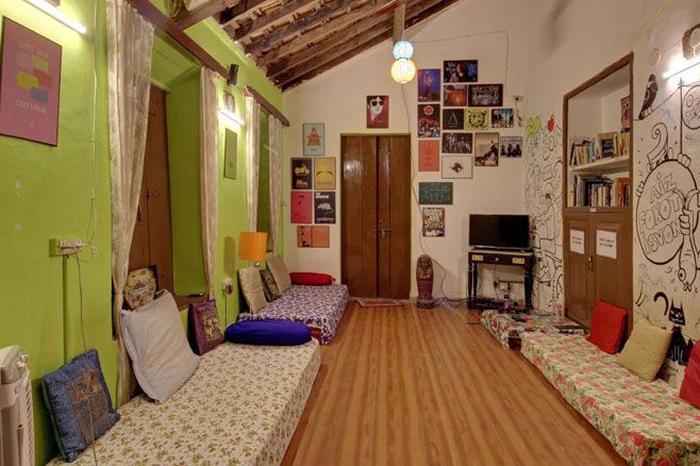
Zostel: located 500mts from Calangute beach in North Goa, Zostel is an ideal social base to have fun with fellow travellers in India’s party and nightlife hub. It is an old, authentic Portuguese house, converted into a hostel. The dense flora all around the place enhances the beauty of this Portuguese heritage house. It makes you feel fresh and energised in the lap of nature.
Backpacker Panda: It is located just 100 meters away from the beautiful Candolim Beach as well as from Calangute/Candolim main road. The hostel gives good vibes and provides all the comforts of home. It has everything that makes for a good time – the beach, Arambol drum circle, sweet water lake, banyan tree, mountain view, surfing, excellent vegan restaurants, village flea market, and hippie parties.
Best time for backpacking in Goa
The best time to visit Goa is generally from October to March when the weather is cool, dry and sunny. The monsoons exit the Goan land by this time of the year and make way for pleasant sunny winters. Perfect for backpacking. Around April to May, the temperatures and humidity soar high, and with start of June, the pre-monsoon showers set in.
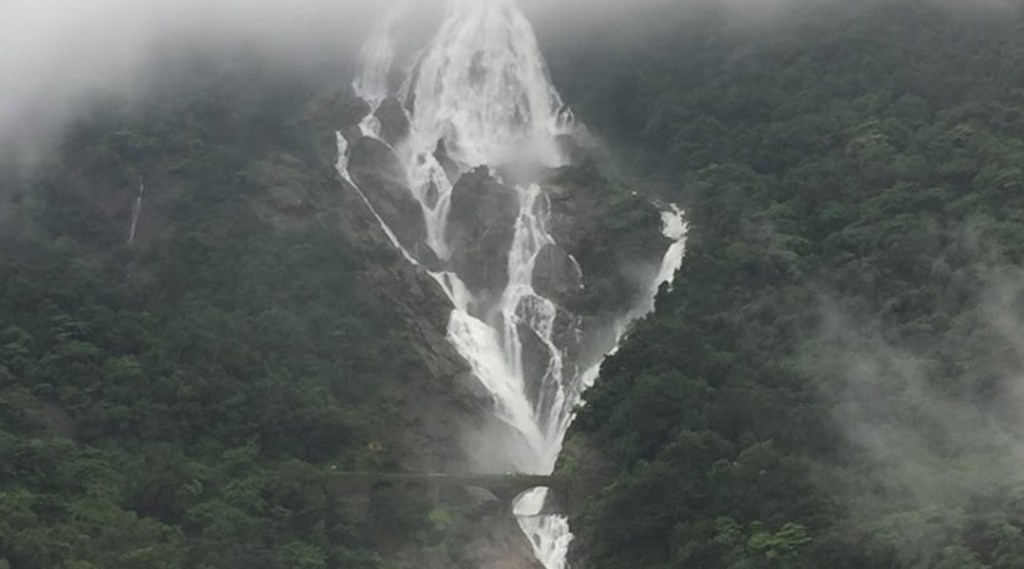
Although monsoons also make a great time for an outdoor adventure like trekking and camping to places like the Chorla Ghats, and Dhudhsagar falls. It is most beautiful in the monsoon season as the paddy fields turn lusciously green although most restaurants and accommodation close but you can get great deals on the accommodation that does remain open during the offseason.
Backpacking in Goa is quite convenient as people here are warm and friendly, and very welcoming. They don’t bother or disturb much or even harass in any way. So as a backpacker you are safe. The local transport is pretty erratic, hence renting a bike is the best option to move around. Goa can be reached by flight and by train. Dabolim is Goa’s main airport. Madgaon is the main train station along with Vasco da Gama (closest to the airport), Canacona (for Palolem and the far South), Thivim and Pernem (for Arambol – Anjuna) or Karmali (near Old Goa and the closest to the capital Panjim).
While Goa is known for its wide-spread sandy beaches, party-hubs, and food, there is much to this coastal city then catches the eye. Those who know Goa well will show another side of the city, which not many people know. So we spoke to few goa insiders who shared their secret places that are unheard of and a must-visit.
Cumbarjua Canal
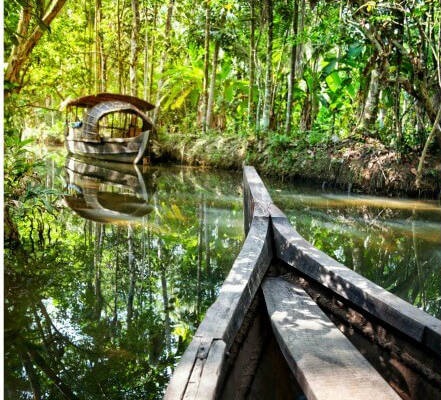
If you wish to add a different kind of adventure to your Goa travel, list Cumbarjua Canal in it. The canal is located near the Zuari River and is known for crocodile sighting in their natural habitat. The narrow creek is one of the unknown places in Goa as not many people venture into the muddy waters and thick mangrove for a sight of sunbathing crocodiles. The crocodiles here are a unique species that have adapted to the salt water habitat in Goa. On a typical trip, you can expect a good number of crocodiles in addition to a variety birds like the kingfishers, shanks, storks, kites, etc.
Netravali – Bubbling Lake
The bubbling lake, as the name suggests, is a geographical phenomenon that makes the water in the lake bubble in a rhythmic manner. This little pond located in Sanguem Taluka is must-see place amongst the hidden places in Goa. It is famous for it is mysterious activity – If you clap your hands or plod on the steps, there is an immediate reaction from the water. The reason behind the bubble is the accumulation of methane gas from the vegetation underwater which escapes at the subtlest of movements. In fact, you can get yourself a natural fish pedicure by dipping in feet for long enough.
Chorla Ghats
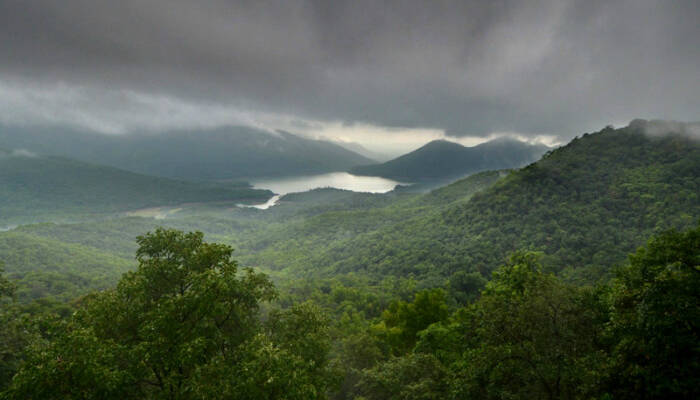
If you think that Goa is only about beaches and sand the ocean, wait till you visit these majestic Chorla Ghats. Located on the north-eastern side of Goa-Karnataka-Maharashtra border, Chorla is a stunning tropical forest. The Ghats have a stunning view, and if visiting during the monsoon, the view is spectacular. The Nature Conservation Facility has been established at Chorla Ghats to facilitate research and long-term monitoring of the Western Ghats of the Sahyadris region and their biodiversity. It is meant to provide a platform for ecologists and wildlife biologists.
Harvalem Falls
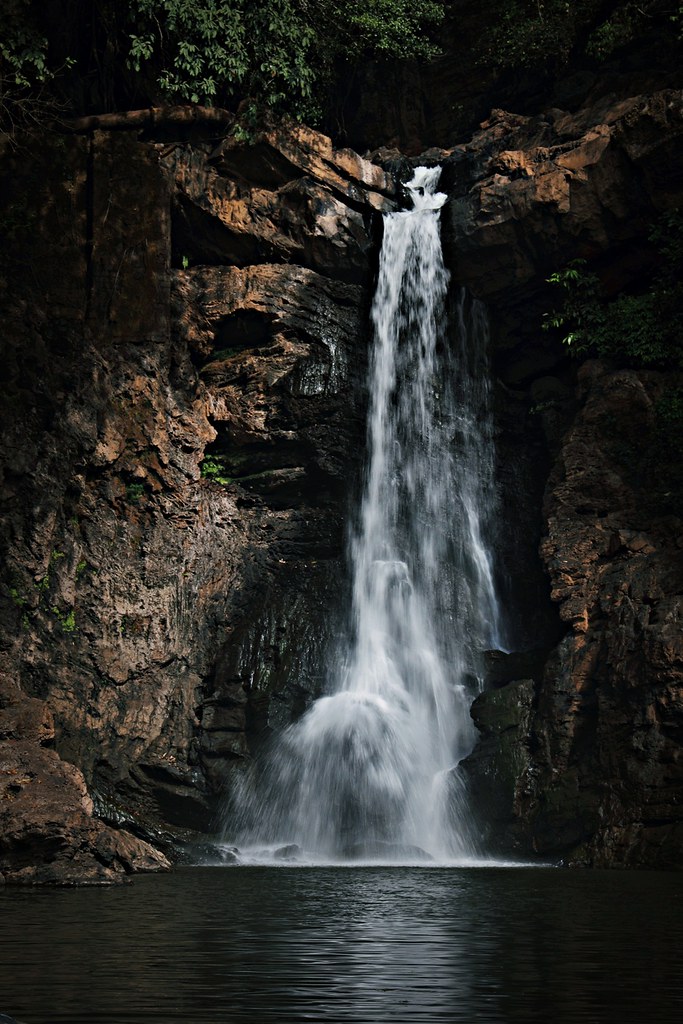
People have heard a lot about the Dudhsagar falls, but no one outside of Goa is aware of this 50 meters high waterfall. Located at a short distance from the regional town of Bicholim, along the road from Mayem Lake, is the village of Sanquelim. Not many people know about this isolated little waterfall where you can spend some quiet and peaceful time amidst the sight of the greens and the sound of water.
Arvalem Caves
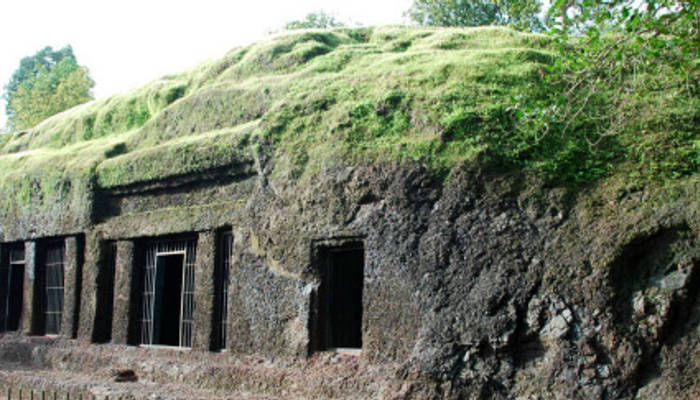
Located in the Bicholim town of North Goa, the Arvalem Caves are ancient rock-cut caves that give us a chance to step into the mythological tales. The origin of these caves dates back to the 6th century. Popularly known as the Pandava Caves, these caves have derived their name from the five Pandavas of the epic Mahabharata. As the legend has it, the Pandavas sought refuge in these caves during their exile. The presence of five compartments and Shivlingas in the cave complex provides relevance of this fact. However, the caves have also been claimed to be of Buddhist origin due to the presence of a colossal statue of Buddha near the place. The architectural style of the caves also speaks loud of the Buddhist possession.
Rivona
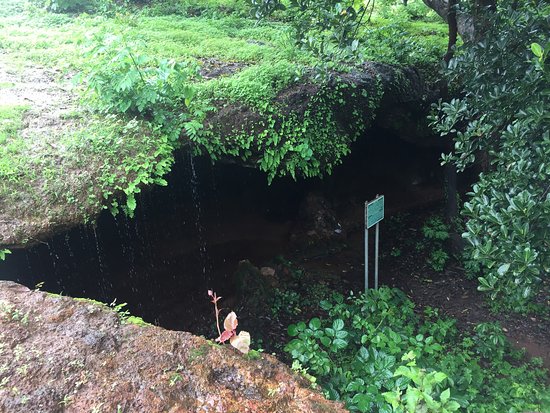
With Christianity as the predominant religion of the state, did you know that Goa is also known for its rich Buddhist history! The Rivona Caves are a living example of that, and these caves are said to be the seat of a Buddhist Monk. The cave has a stone sculpture of Buddha in ‘Bhumisparsha’ posture, carved out of a laterite rock, belonging to the Mahayana Sect. The caves were said to have been occupied by Buddhist monks, who settled here sometime in the 6th or 7th century AD.
Fort Tiracol
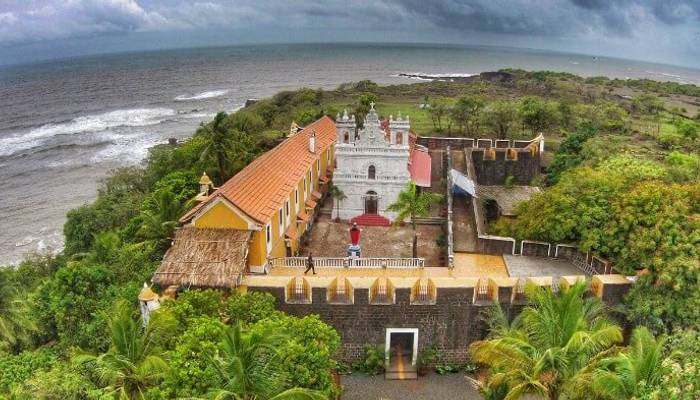
Also known as Terekhol Fort, this fort sits on the northern tip of Goa at the mouth of the Tiracol River. It can be reached by a ferry from Querim, 42 km North of Panaji. The fort was built in the 17th century by Maharaja Khem Sawant Bhonsle, the Raja of Sawantwadi. The site chosen was a hillock on the northern (right) bank of the river, which gave it a commanding view of the Arabian Sea. It is now converted into one of Goa’s well-maintained heritage assets and represents Goa’s cultural wealth.
Museum of Christian Art – Convent of Santa Monica
The Museum is considered to be one of its kind in Asia and located in the Convent of Santa Monica, Old Goa, in the vicinity of World Heritage Monuments. The Museum is a project of the Archdiocese and has enriched the cultural heritage and history of Goa. Every object displayed in the museum reflects the richness of the Indo-Portuguese Christian Art and the immense wealth of the Churches of Goa.
OLYMPUS DIGITAL CAMERA
Three Kings Church
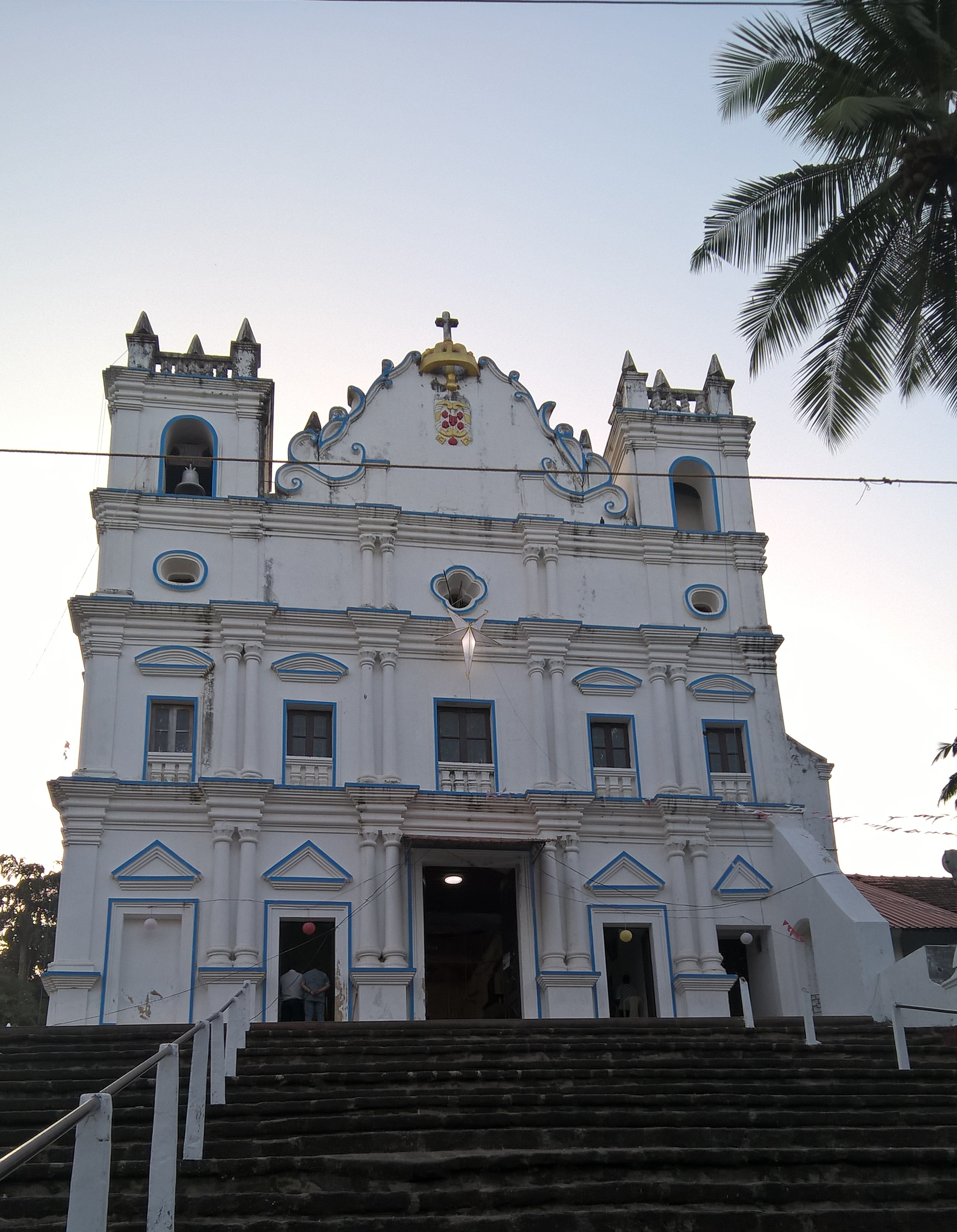
Three Church, officially Our Lady of Remedios Chapel, is located in a plush village of Goa called Chandor situated atop a hill in Cuelim, 15 km east of Margao. The church stands atop a hillock opening to a divine view of Majorda beach. On the foot of the hill is the vast expanse of fields, salt pans, and islands — painting a real Goa. Today, it is also famous for being one of the most haunted places in Goa. But regardless of the stories being circulated, it is one the most visited place by the Goans and few travelers who know about it.
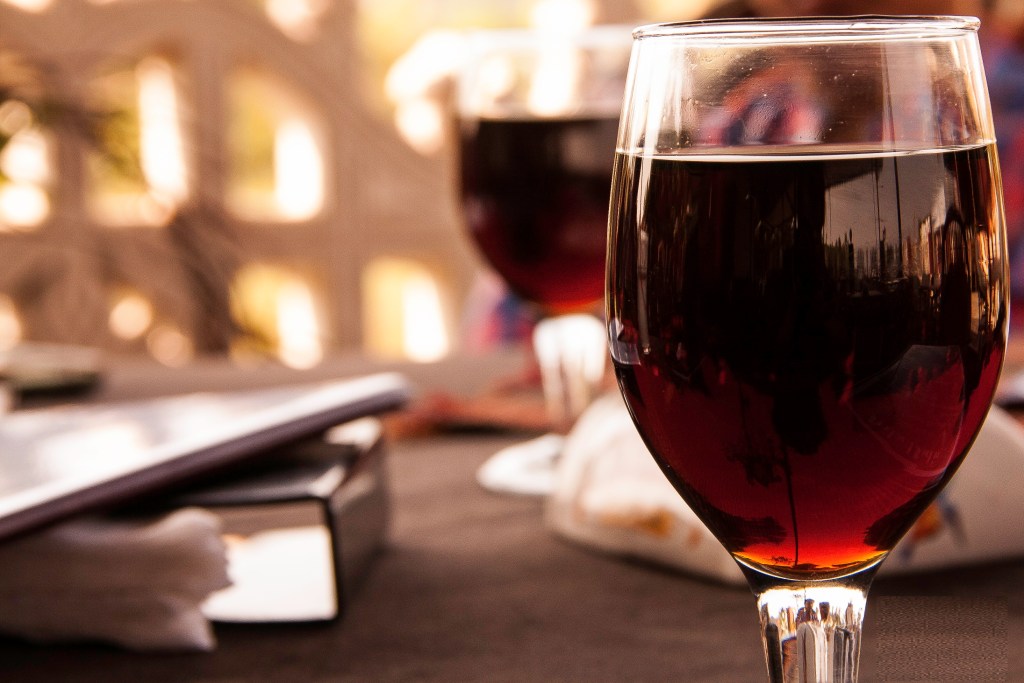
Goa has a rich history of port wine. Apart from many other liquors, port wine is a drink that is associated with Goa. Let’s get into a rendezvous with the strangely familiar home-made port wine of Goa.
Photo by Engin Akyurt from Pexels
The Back Story
Port wine – Vinho do Porto – was first brought to Goa by the Portuguese in the 16th century. Since the Portuguese had come to Goa about two centuries before port was invented, they couldn’t have brought the wine with them – the drink must have arrived here only in the early 1700s. However, local production of fortified wines would have commenced much earlier as demand was bound to have outstripped supply, given that the sailing ships of those days could come only once a year from Europe. Marketed by the local Costas Company, Vinicola port wine is a silky wine in dry, semi-dry and sweet varieties both as a table and fortified wines. Port wine is often served at Goan banquets and other functions. Also available in portable packs to take home as gifts for friends. Martin’s Corner in Betalbatim serves port wine. It is a typical sweeter version of the red wine, often served as a dessert wine.
Bringing it to your table
Firefly at Pedrito’s, Goa
Goan Port Wines were the first wines produced in modern India. : The first unit was set up in 1965 cakked Vinicola by Ivo da Costa behind his beautiful 100-year old Portuguese-style bungalow on the outskirts of Margao. Vinicola is still there, now managed by grandson Rahul, churning out a port-style wine using traditional methods, and retails for all of Rs 250 per bottle.
Port Wine comes in a variety of styles, from dry to sweet, and is produced using almost any grape. It became popular in England from 1703 onwards as its wars with France deprived English consumers of French wines and brandies. English Wine Merchants Wine brought Port Wine into existence to create an alternative (and cheaper) libation to French wines – with English names of most famous Port companies: Cockburn, Dow, Croft, Gould, Graham, Osborne, Sandeman, Taylor, and Warre.
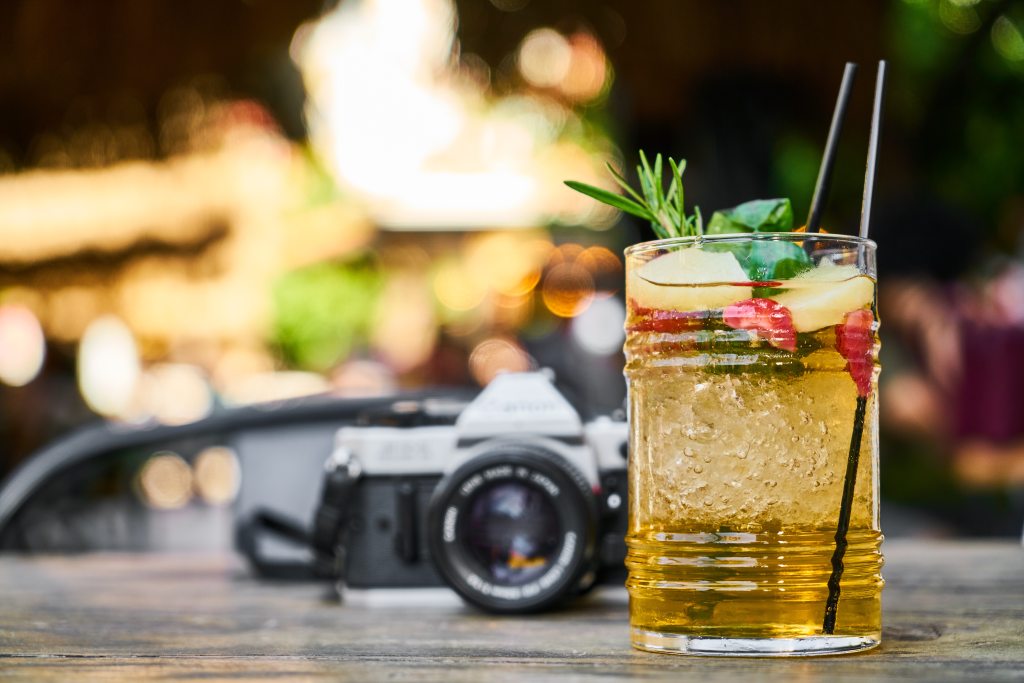
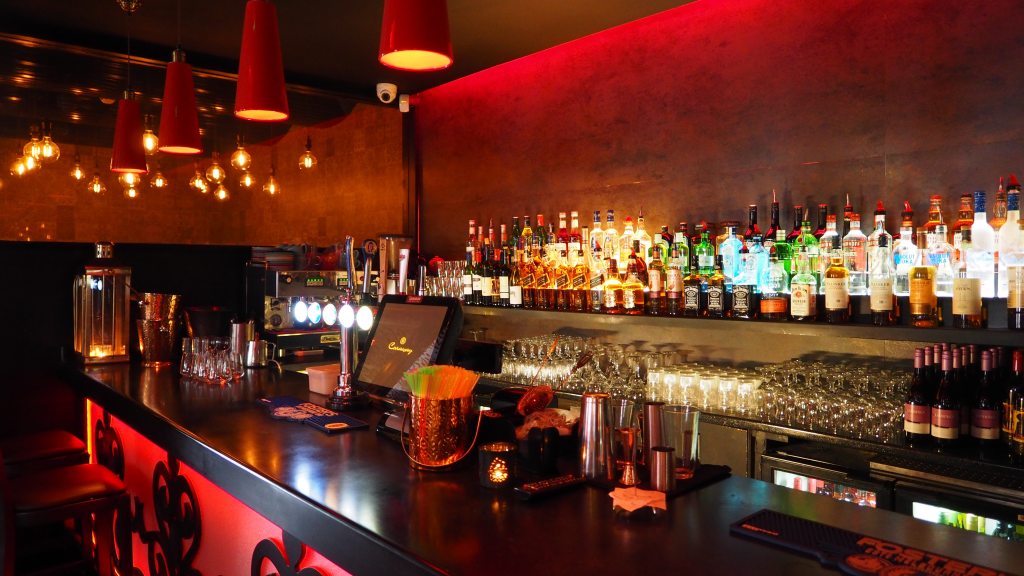
The common thread cojoining these timeless country liquor since ages – Feni and Port Wine – are moving into the new century with parallelly with exotic and international liquor brands. With their definitive and organic flavour, mixologist and bartenders are experimenting and inventing unique and flavoursome cocktails. One can visit the well-known bars and pubs around to experience this exception and surreal ‘spirit’ of Goa.
Setting the scene
There’ is no comparison to the experience of sipping a wine cocktail watching the sun going down on a serene fabled beaches of Goa. Just good wine, your thoughts and sound of the waves. This moment and experience is something that cannot be replicated anywhere else in India.



 A Mystic Writer's Blog